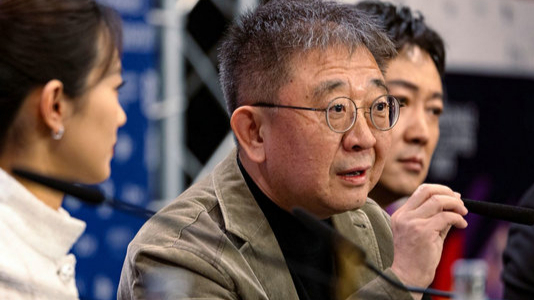
Zhang Lyu
Introduction
Zhang Lyu is an acclaimed Chinese director and screenwriter known for his significant contributions to the arthouse film genre. Born in 1962 in rural Yanbian, Jilin province, into an ethnic Korean family, Zhang initially pursued a career in Chinese literature, majoring in it at Yanbian University. His entry into the world of filmmaking came later in life, but his work quickly gained international recognition for its unique storytelling and emotional depth. Zhang's films often explore themes of identity, culture, and nostalgia, reflecting his deep connection to Beijing, where he has lived for over three decades. His cinematic journey began with short films and has since expanded to include a rich portfolio of feature-length movies that have been showcased and honored at international film festivals.
Career
Zhang Lyu's career in filmmaking commenced somewhat unexpectedly. Despite having no formal training in cinema, he transitioned from literature to filmmaking, driven by a compelling desire to convey his narratives through visual storytelling. His directorial debut, Eleven, a 14-minute short film, was selected for the short film category at the 58th Venice International Film Festival in 2001. This initial recognition opened doors for Zhang to develop his first feature film, Tang Poetry, which was funded by South Korean investors. Over the span of more than two decades, Zhang has directed approximately ten feature-length films, many of which are lauded for their artistic and introspective qualities.
Artistic Style
Zhang Lyu's artistic style is characterized by its emphasis on poetic storytelling and a deep exploration of cultural and personal identity. His films often portray serene and contemplative narratives that delve into the complexities of human relationships and emotions. A recurring theme in his work is nostalgia, particularly evident in films like The Shadowless Tower, which reflects on Zhang’s memories of Beijing's past. His storytelling is enriched by meticulous attention to detail, such as the use of symbolic settings—the White Pagoda in The Shadowless Tower, for example, serves as a metaphorical backdrop that enhances the emotional depth of the characters. Zhang's films often integrate elements of literature and art, appealing to audiences with a penchant for nuanced and introspective cinema.
Major Works
Among Zhang Lyu's notable works is The Shadowless Tower, a film that has garnered critical acclaim and multiple awards. This film is set in and around the historic White Pagoda in Beijing and explores themes of familial relationships and personal introspection. The storyline revolves around Gu Wentong, a food critic navigating his roles as a father, son, and lover amidst the backdrop of Beijing’s rich cultural tapestry. Other significant works by Zhang include "Tang Poetry," which signified his transition into feature filmmaking, and various other art-house films that have received nominations or awards at international film festivals across South Korea, Europe, and North America. Zhang's films are characterized by their literary depth and visual elegance, often drawing inspiration from his own life experiences and cultural heritage.
Contributions to Art
Zhang Lyu's contributions to the art of filmmaking extend beyond his individual projects. He is known for his ability to intertwine Chinese cultural elements with universal themes, thereby offering audiences a glimpse into the nuances of Chinese urban life and history. His films provide a platform for exploring the intersections of past and present, personal and collective memory, and the delicate balance between tradition and modernity. Zhang's work has not only enriched the realm of Chinese cinema but also introduced global audiences to a unique perspective on storytelling through film. His dedication to preserving the essence of Chinese culture in his narratives has established him as a pivotal figure in the world of arthouse cinema.
Recognition and Awards
Throughout his career, Zhang Lyu has been recognized for his cinematic achievements with numerous awards and accolades. His films have been featured at prestigious international film festivals, including the Berlin International Film Festival, where "The Shadowless Tower" was nominated in the competition section. This film later emerged as a major winner at the 13th Beijing International Film Festival, securing several awards, including the Tiantan Award for Best Leading Actor and Best Screenplay. Additionally, it won Best Feature Film and Best Cinematography at the 10th Silk Road International Film Festival. Such recognition underscores Zhang's ability to craft compelling narratives that resonate with both domestic and international audiences, solidifying his status as a prominent figure in contemporary cinema.
Influence
Zhang Lyu's influence in the realm of filmmaking is evident in his ability to blend cultural introspection with universal storytelling. His films resonate with audiences worldwide, offering a profound exploration of human emotions and relationships within the framework of Chinese culture and history. By focusing on the intricacies of everyday life and the subtleties of personal interactions, Zhang has inspired a new generation of filmmakers to explore similar themes in their work. His unique perspective and dedication to authentic storytelling have contributed to the global appreciation of Chinese art-house cinema, encouraging cultural exchange and understanding through the medium of film. Through his body of work, Zhang continues to leave an indelible mark on the world of cinema, influencing both contemporary filmmakers and audiences.








